
Key Takeaways
- Low-impact exercise can protect your joints while keeping you strong and mobile
- Walking, tai chi, and water aerobics are accessible, budget-friendly starting points
- Chair-based and wall exercises can help build strength at any fitness level
- Aiming for 30 minutes of movement most days supports your overall well-being
- A supportive environment and community connection make staying active much easier
Why Movement Still Matters at Every Age
You don’t need high-intensity workouts to feel strong, balanced, and full of energy. Low-impact movement can do just as much for your body, without the strain of harder exercise. The key is finding what works for you and making it part of your everyday rhythm.
A community lifestyle can help weave wellness into daily life, so movement always feels like a natural choice.
Low-impact exercises for seniors can help protect your joints, support your independence, and lift your mood, all while keeping your body moving in ways that feel good.
Whether you’re just getting started or looking to mix things up, exploring the full range of wellness experiences available to you can open the door to many options worth trying. And with National Senior Health & Fitness Day on May 27, there’s no better time to build healthy movement habits that feel realistic and sustainable.
Top Low-Impact Exercises to Try
Move Your Body, Protect Your Joints
Walking is one of the simplest places to start. It’s weight-bearing, which means it supports bone strength, and you can adjust the pace and distance to match how you feel each day.
Even a 10-minute walk around the block adds up over time. Walking regularly can support heart health, improve blood sugar control, and reduce the risk of age-related conditions.
Tai chi brings together gentle, flowing movements that challenge your balance and coordination in a calm, focused way. It’s practiced slowly, so it’s easy on your joints, and many people find it both relaxing and physically beneficial.
Water aerobics takes things one step further by providing a full-body workout with minimal pressure on your joints. The water supports your weight while your muscles do the work.
Strength and Flexibility at Any Fitness Level
You don’t need a gym to build strength.
Chair squats and seated leg lifts target your lower body and help keep your legs strong for everyday activities like climbing stairs or getting up from a chair.
You can build a full-body chair workout to tone your body using nothing more than a clear wall and a little space.
Yoga and Pilates are worth trying if flexibility and core strength are your goals. Both focus on controlled movement and breathing, which makes them accessible even if you haven’t exercised in a while.
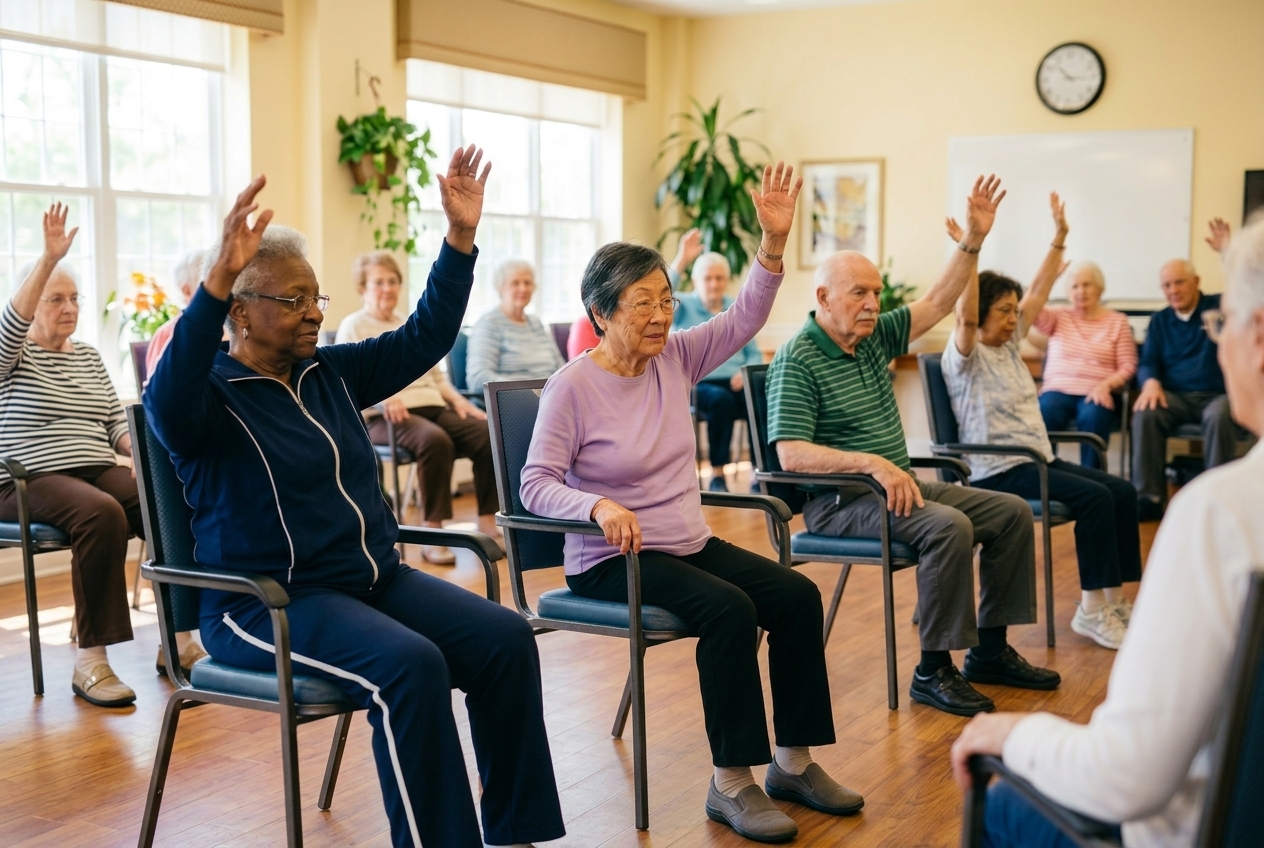
Older adults can adapt many routines to seated or supported positions. You can take part at your own comfort level and challenge yourself at your own pace.
Simple Tips to Exercise Safely and Consistently
Starting slow isn’t a setback. It’s actually the smartest approach.
Building up your activity gradually gives your body time to adjust. It helps you avoid soreness or strain that could slow you down later. Even small increases in movement can lead to meaningful progress, like adding 5 extra minutes to your walk each week.
Consistent, moderate movement offers some of the most significant benefits for long-term health.
Your body gives you signals worth paying attention to. Rest when you need to, and don’t push through sharp pain or discomfort.
Proper form matters especially with strength moves. Moving correctly helps you get more out of each exercise while reducing your chance of injury.
When you’re unsure about your form, asking a fitness professional or wellness team member for guidance is always a good idea.
How to Stay Active at Home Every Day
Easy Moves That Fit Into Daily Life
You don’t need a dedicated workout session to benefit from movement.
Gentle neck stretches can release tension while you’re sitting at your desk or watching television. Rolling your shoulders back a few times throughout the day takes less than a minute and can make a real difference in how you feel.
Chair-based exercises are a practical option when you want to move without needing any special equipment. You can perform seated leg raises, ankle circles, and torso twists from a comfortable chair.
These small movements add up and support your strength and flexibility over time.
What a Healthy Daily Routine Can Look Like
Aiming for around 30 minutes of movement on most days is a solid, realistic goal for many people. That doesn’t have to happen all at once. You can break it into 3 short 10-minute sessions spread throughout the day.
Mixing cardio like walking, strength moves like chair squats, and stretching with chair yoga gives your whole body attention across the week.
A Supportive Environment Makes Movement Easier
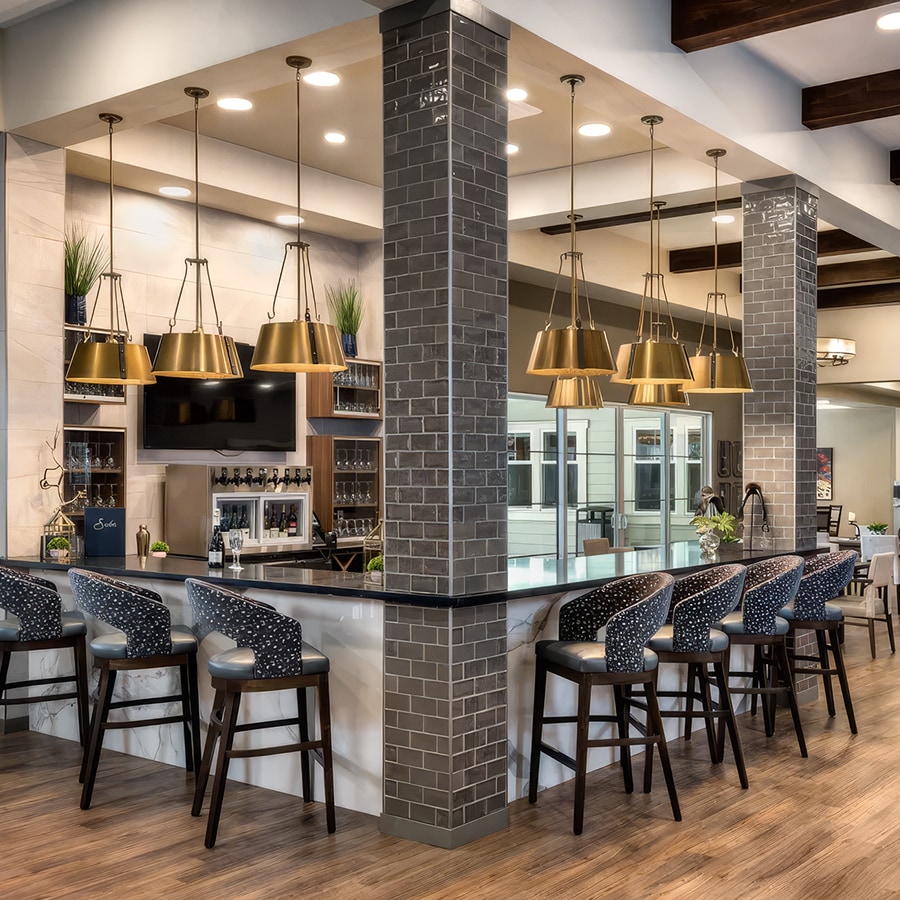
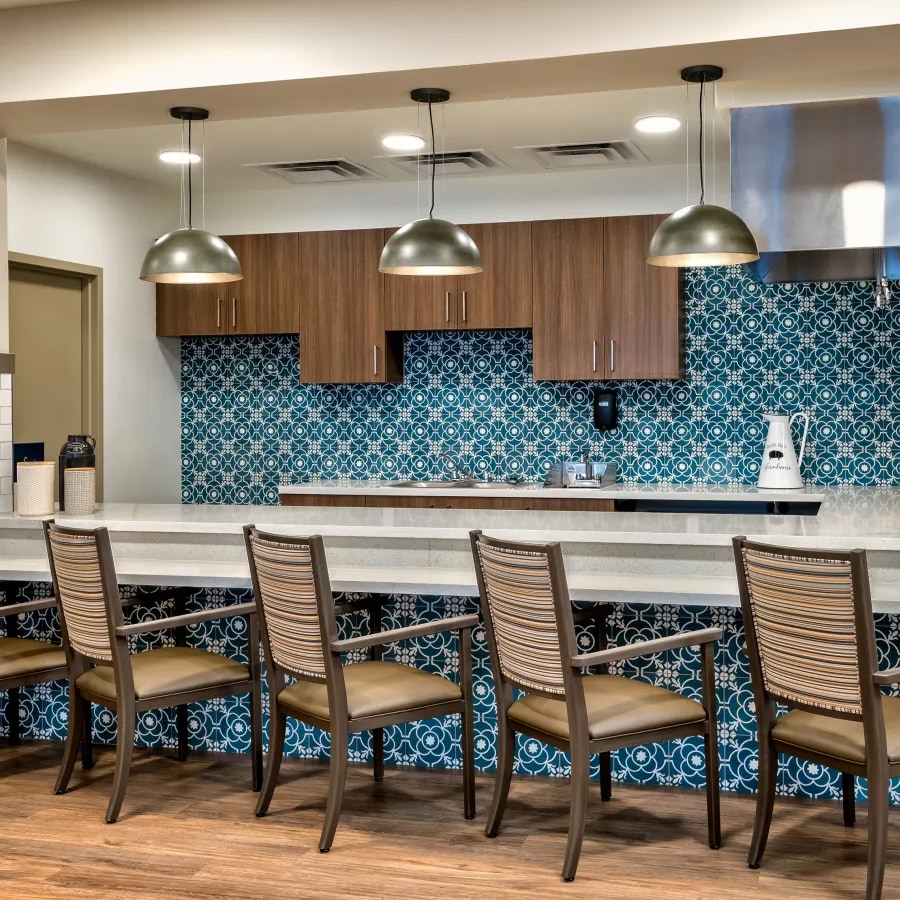
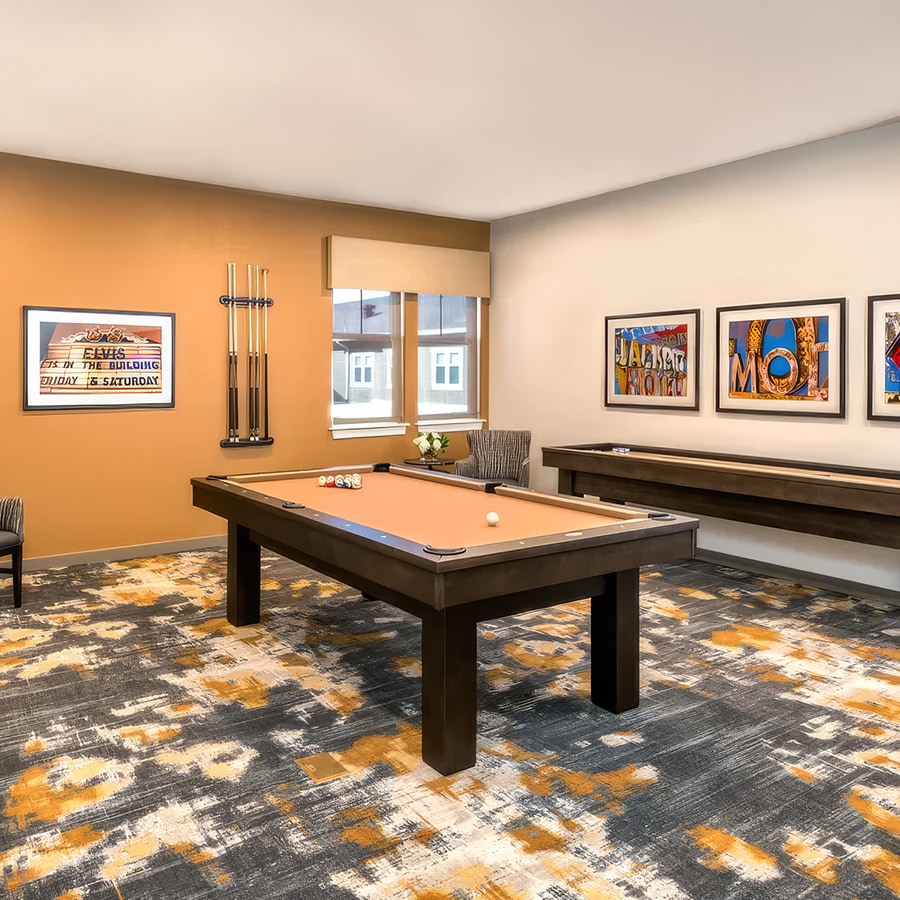
Where you live has a bigger impact on your activity levels than most people realize. When wellness programs, fitness spaces, and encouraging team members are part of your daily surroundings, staying active starts to feel natural rather than like a chore.
You’re more likely to show up when the environment around you makes it easy and enjoyable. Explore the amenities and wellness offerings that can support your daily movement goals.
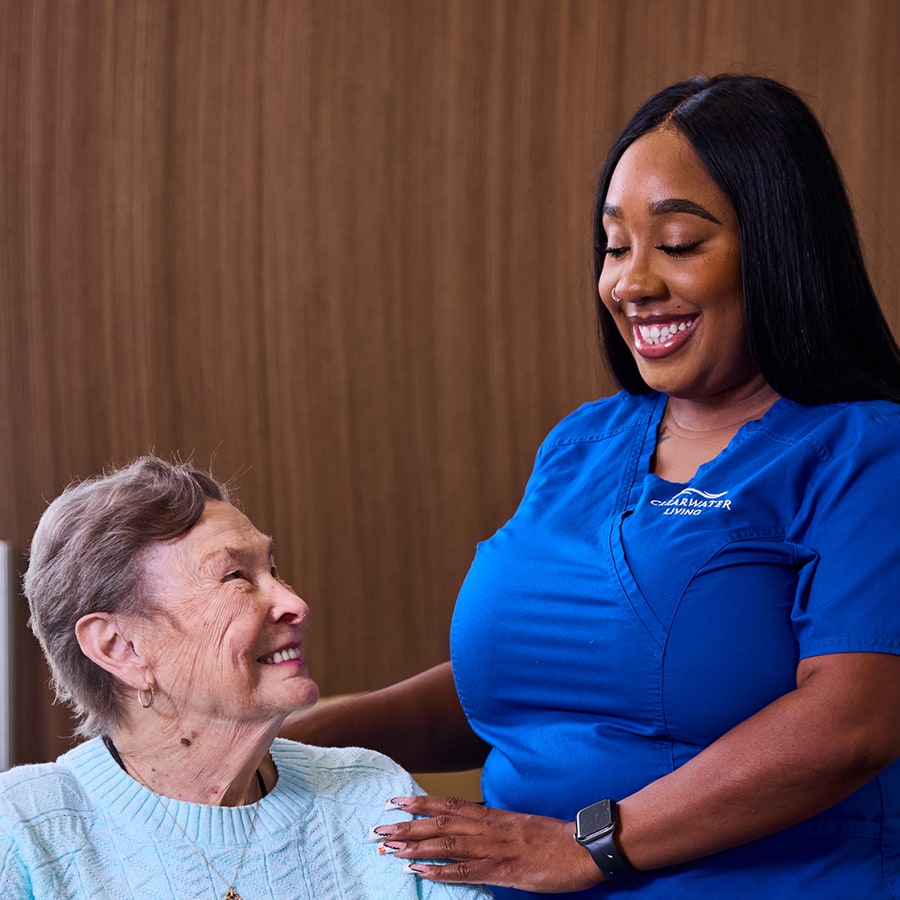
Community connection plays a meaningful role. Moving alongside others, whether in a group class or a morning walk with a neighbor, adds a social layer that keeps you motivated and accountable.
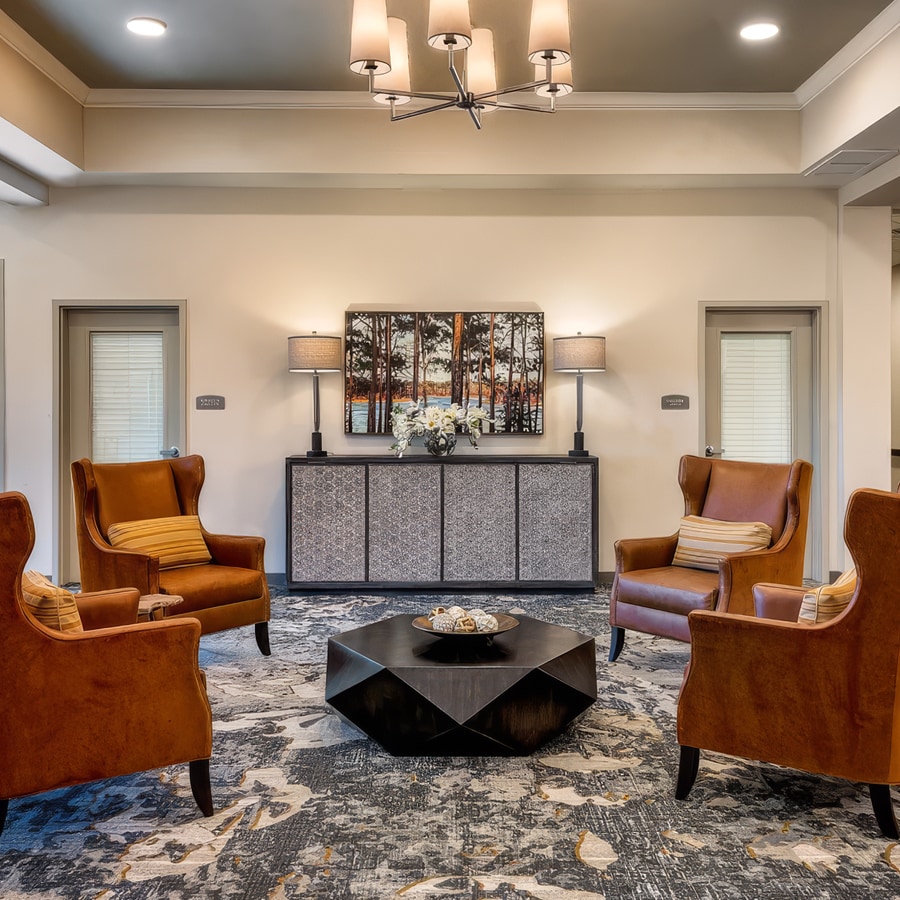
At Clearwater at Rancharrah, residents have access to thoughtfully designed spaces and wellness programs that weave movement into everyday life, turning exercise from an obligation into something you genuinely look forward to.
Visit our community today to see how we support wellness.